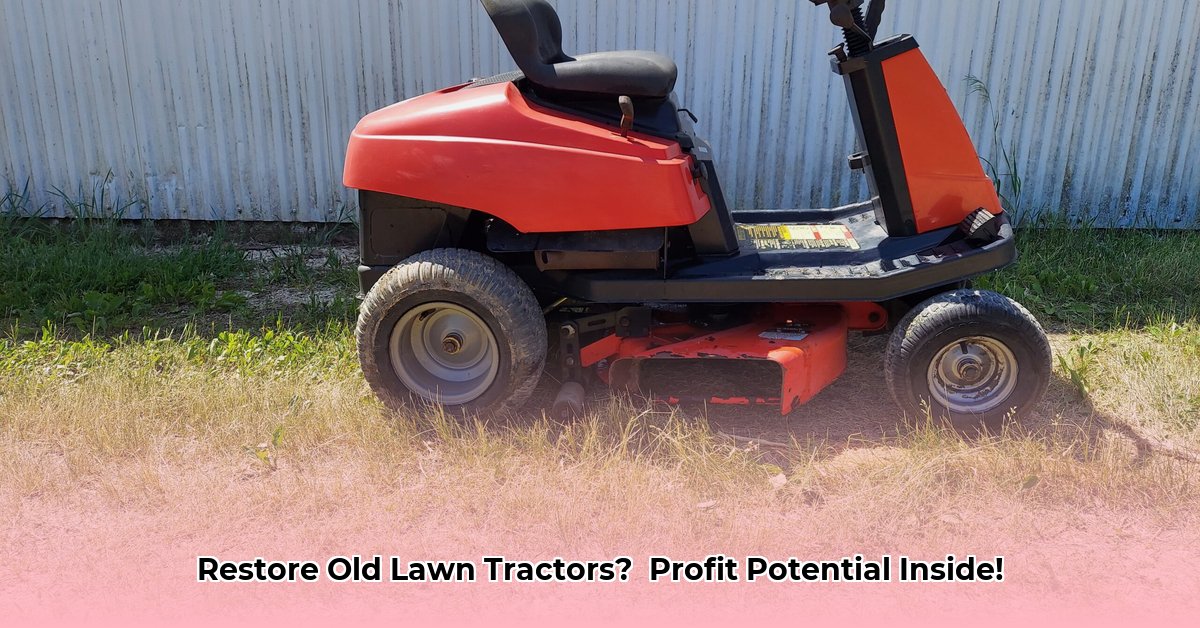
The rhythmic chug of a well-maintained Simplicity lawn tractor, a comforting sound echoing across generations of meticulously kept lawns – that's the magic we aim to unlock. This comprehensive guide delves into the world of vintage Simplicity tractors, catering to both seasoned mechanics and enthusiastic newcomers eager to restore a piece of lawn-care history. We'll cover everything from uncovering your perfect machine to the detailed restoration process and maintaining its pristine condition for years to come, along with navigating the nuances of the collector's market. For more Simplicity resources, visit the [Simplicity website](https://simplicity-tractor-mowers.pages.dev).
A Journey Through Time: Simplicity's Legacy
Simplicity Manufacturing Company, established in 1937, didn't simply produce lawn tractors; they crafted a legacy of innovative design and reliable performance. Early models showcased groundbreaking features that set them apart from competitors. This dedication to quality, even after the company's acquisition by Briggs & Stratton, is evident in the enduring popularity of these classic tractors among collectors today. Their diverse model variations, each with unique characteristics, further fuel the fascination with these machines. The rich history is mirrored in the tractors themselves—each a tangible piece of Americana.
Decoding the Vintage Simplicity Market: Value and Availability
The market for vintage Simplicity tractors is robust, driven by nostalgia, practicality, and the inherent appeal of owning a well-built machine. However, it's a fragmented landscape. Part availability is a key factor, impacting both restoration costs and overall value. Location significantly influences pricing due to regional demand fluctuations.
Key Factors Impacting Value:
| Factor | Impact on Value |
|---|---|
| Model Year & Rarity | Older and rarer models command higher prices. |
| Condition (Mint to Rough) | Fully restored tractors fetch significantly more than project tractors. |
| Part Availability | Easy access to parts increases a tractor's value. |
| Location (Regional Demand) | Prices fluctuate based on regional interest and market competition. |
| Original Documentation | Manuals and service records dramatically increase a tractor's desirability. |
Isn't it interesting how a seemingly simple machine can have such a complex market? This variability highlights the importance of thorough research before purchasing.
Securing Your Simplicity: A Buyer's Guide
Ready to embark on this rewarding adventure? Here's a step-by-step guide to acquiring your vintage Simplicity:
Research: Identify the specific model you desire, understanding its features, common issues, and restoration challenges. This preliminary research limits potential problems and unnecessary expenses.
Meticulous Inspection: Thoroughly examine the tractor. Listen for unusual engine noises, inspect the transmission for smooth operation, check the mower deck for damage or rust, and look for any leaks. A detailed pre-purchase inspection is vital.
Strategic Negotiation: Research current market values before making an offer. Negotiate a fair price reflecting the tractor's condition and any necessary repairs.
Safe Transport: Arrange secure transportation. Damaging your newly acquired treasure during transport would be devastating!
Restoring Your Simplicity: A Step-by-Step Guide
Restoring a vintage Simplicity is a journey of patience and skill, rewarding in its own right. It combines mechanical aptitude with historical appreciation.
Phase 1: Disassembly and Cleaning
- Careful Disassembly: Methodically disassemble the tractor, documenting each step with detailed photos or diagrams. This is crucial for reassembly.
- Thorough Cleaning: Clean every component meticulously, removing grease, grime, and rust. This allows for proper assessment and repair.
Phase 2: Repair and Replacement
Parts Sourcing: Locate necessary parts through online marketplaces (eBay), specialized vintage tractor parts suppliers, online enthusiast communities, local repair shops, and junkyards (as a last resort). Leverage the knowledge and support of the dedicated online Simplicity community.
Component Repair/Replacement: Repair or replace damaged or worn parts.
Phase 3: Reassembly and Testing
- Careful Reassembly: Reassemble the tractor, referencing your detailed documentation from disassembly.
- Thorough Testing: Test the fully restored tractor; ensure all components operate smoothly ahead of its first mowing duty.
Maintaining Your Restored Gem: A Guide to Long-Term Care
Regular maintenance is essential for extending the life of your restored Simplicity. By investing time and care, you're ensuring the tractor remains operational and aesthetically pleasing for years to come.
- Regular Oil Changes: This fundamental step safeguards engine health.
- Spark Plug Inspection: Ensure optimal ignition performance through regular inspection and replacement as needed.
- Blade Sharpening: Sharp blades ensure a clean cut and protect your lawn.
- Belt Inspections: Regular inspections prevent unexpected breakdowns due to belt wear.
Connecting with the Simplicity Community: A Network of Support
The vibrant community of Simplicity enthusiasts provides invaluable support, parts sourcing assistance, and restoration advice. Engage with online forums and clubs; these passionate individuals are a source of unparalleled expertise and camaraderie.
Did you know that a well-maintained vintage Simplicity can significantly increase in value over time?
Restoring a vintage Simplicity tractor is an enriching experience, blending mechanical prowess with a deep appreciation for history and craftsmanship. It’s a journey that connects you with the past while forging strong bonds within a vibrant community. Embrace the challenge and enjoy the rewards!